
Burned (and) Alive: Preventing and Recovering from Burnout
You love what you do. You're also running on fumes. Loving your work makes you say yes longer than you should, skip the gym again, answer emails from bed. Until you wake up one day and climbing an email feels like writing Everest.
This guide is what I built after burning out more times than I'd like to admit—because the existing resources didn't do shit. It covers:
-
What your warning signs look like before you're too fried to notice them. Why your purpose needs to be specific enough to drag you out of bed when you'd rather stay dead. And why your lifting routine disappearing from your calendar is a bigger red flag than you think.
-
There are three psychological needs that keep you from hating your job. Our industry attacks all of them.
-
You can do everything right and still get burnt. We’ll talk about crawling back—how to find the spark again, why rebellion might be your best medicine, and how to re-learn what a normal workday actually looks like after you've warped your baseline beyond recognition.
THE ULTRA LEGS SELF-EVALUATION
50-70% of runners get injured every year. Not because running is dangerous. Because runners don't prepare their tissues for the forces they'll actually face.
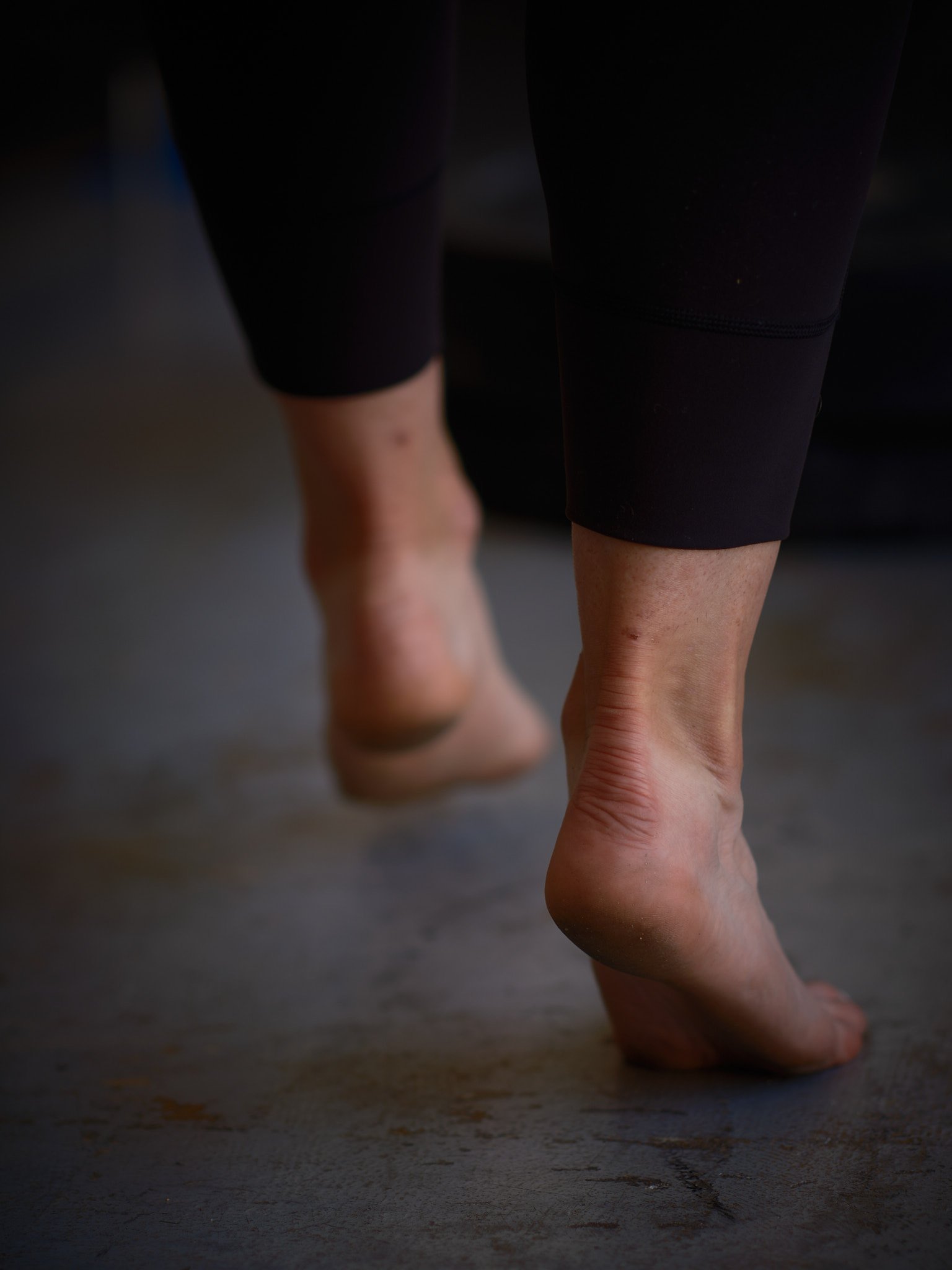
Your Achilles handles 6x bodyweight when you run. Your knee absorbs 5x bodyweight. Your calf raises and air squats aren't cutting it.
This eval:
-
Test your tissue capacity against running's actual demands
Identify which gaps put you at highest injury risk
Get specific guidance on what needs work
See whether your current training is actually doing anything
-
You'll only need a phone to film yourself and space to hop.
-
This assessment comes straight from Ultra Legs, my strength program for runners. And my business manager told me I give away too much of the good stuff.
The 3 Most Misdiagnosed Tendon Problems
(Free Guide when you subscribe above)
This guide walks you through the 3 most common ways people misdiagnose tendon problems—and what to do instead.
It’s not theory. It’s the stuff that’s worked on pro athletes, weekend warriors, and high schoolers with dreams bigger than their patellar pain. It’s also written with the most fun possible; learning should be fun.
Welcome to the only R-rated tendon guide on the market. Banned in three countries. Worshipped in (smart) gyms.
The Coach’s Guide to Writing
Writing isn’t just for authors. It’s for coaches who want to be understood. This mini-guide will help you think better, cue better, and stop sounding like a TED Talk that nobody asked for.
Inside:
Why writing makes you a better coach and better thinker
Why you should write if you plan on explaining things clearly to clients
Real examples from real sessions (and the logic behind them)